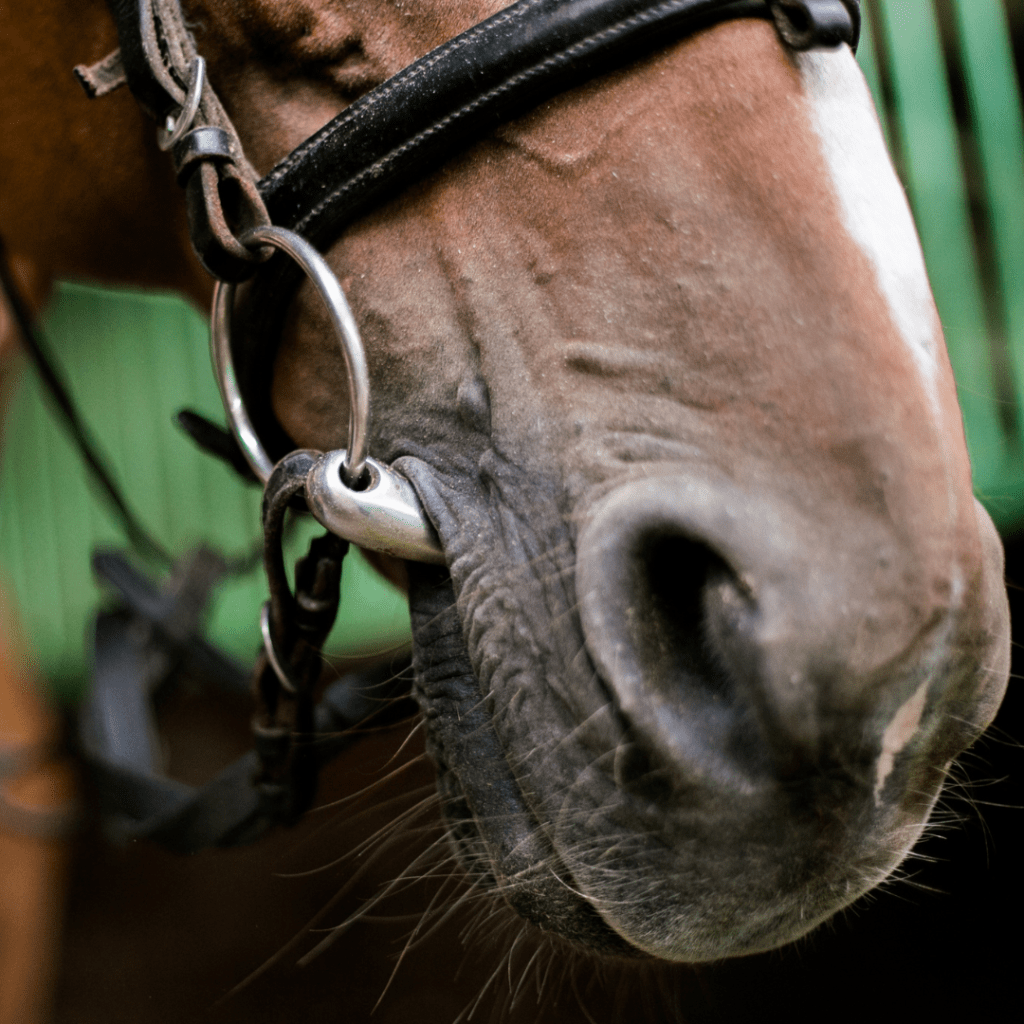
Bits can be a confusing subject for all equestrians, from those new to the sport to seasoned horse owners, we can struggle to keep up with the ever-changing world of equine bitting.
In this blog, we aim to introduce the basics of equine bitting, with more complex top-up blogs due shortly to further expand your knowledge. Whatever your knowledge level, there will be beneficial bitting information in this series for you.
The Evolution of Bits
Bits have been integral to horsemanship for centuries, evolving from simple designs to a diverse array of styles to accommodate different riding disciplines and horse temperaments. The earliest bits were likely made of bone or rope, gradually progressing to metal as civilizations advanced. Today, bits are crafted from materials such as stainless steel, copper, and sweet iron, each serving a specific purpose.
Understanding the Basics
The primary function of the bit is to provide communication, facilitating subtle cues from the rider to the horse. Bits work in conjunction with bridles, once again there is a large selection of styles available to suit your horse’s needs.
Types of Bits
To explain it in simple terms, there is essentially two types of bit, snaffle and curb bits. Snaffle bits have rings and are non-leverage bits. Curb bits have shanks that provide leverage when pressure is applied from the reins.
No two horses are the same, conformation of the mouth and tongue differs from each individual. It is not possible to get thorough bitting or bridle advice from a stranger over the internet, despite their credentials.
Snaffle Bits
Simple and direct, snaffle bits work by applying pressure directly to the horse’s mouth. Common types include the eggbutt, loose ring, and D-ring snaffles.
Curb Bits
Designed for more experienced horses, curb bits have a lever action that applies pressure to the horse’s mouth, chin, and poll. Examples include the Kimberwick, Weymouth, and pelham.
Bitless
We can’t talk about bits without mentioning the option to go bitless. There are many reasons a horse may benefit from a bitless bridle, horses with physical issues in the mouth may be unable to comfortably wear a bit. Riders will often also explore bitless options for horses that exhibit undesirable behaviours under saddle including head shaking, spookiness, etc.
Selecting the appropriate bit (or going bitless) involves considering the horse’s temperament, training level, and the rider’s skill. Factors to weigh include mouthpiece material, bit thickness, and the style of bit that best suits the discipline.
It is important to remember all horses are individuals, what suits one horse may not suit another. At the time of writing this article, Dippy (my youngster) is the only one of my horses that goes best bitless.
Bits I use with my horses
As mentioned above, two out of my three horses wear bits. Bam Bam wears a simple copper loose ring snaffle bit with a lozenge, similar to this bit from Redpost Equestrian. Copper bits are a popular choice with horses who dislike traditional metal bits. Bam Bam arrived to me with this bit, it fits well and she currently goes very well in it, so I have had no reason to change.

Daisy has been tried and tested in a rather large variety of bits, from standard snaffles to a hanging cheek. I had issues finding one that she found comfortable, yet, gave me a pair of breaks when I needed them. After a fair amount of trial and error, we landed on a universal bit. This bit combines poll pressure and leverage for a mild gag action.

Caring for Bits
Proper maintenance of bits ensures their longevity and the comfort of the horse. Regular cleaning, especially after each use, helps prevent the build up of dirt and saliva. Additionally, inspecting the bit for any signs of wear or damage is crucial to avoid any issues.
Conclusion
As riders, we hold the responsibility to ensure the comfort and well-being of our horses through thoughtful selection and proper care of bits. If you are unsure of the best approach, contact a bridle and bitting specialist. I found this handy webpage with a selection of contacts across the UK.
 Pushing On Daisy