Horse riding can be a rewarding and exciting experience, but dealing with a nervous horse can also be challenging and even a little frightening. Whether you’re an experienced rider or a beginner, understanding and managing a nervous horse is essential for both your safety and the horse’s well-being.
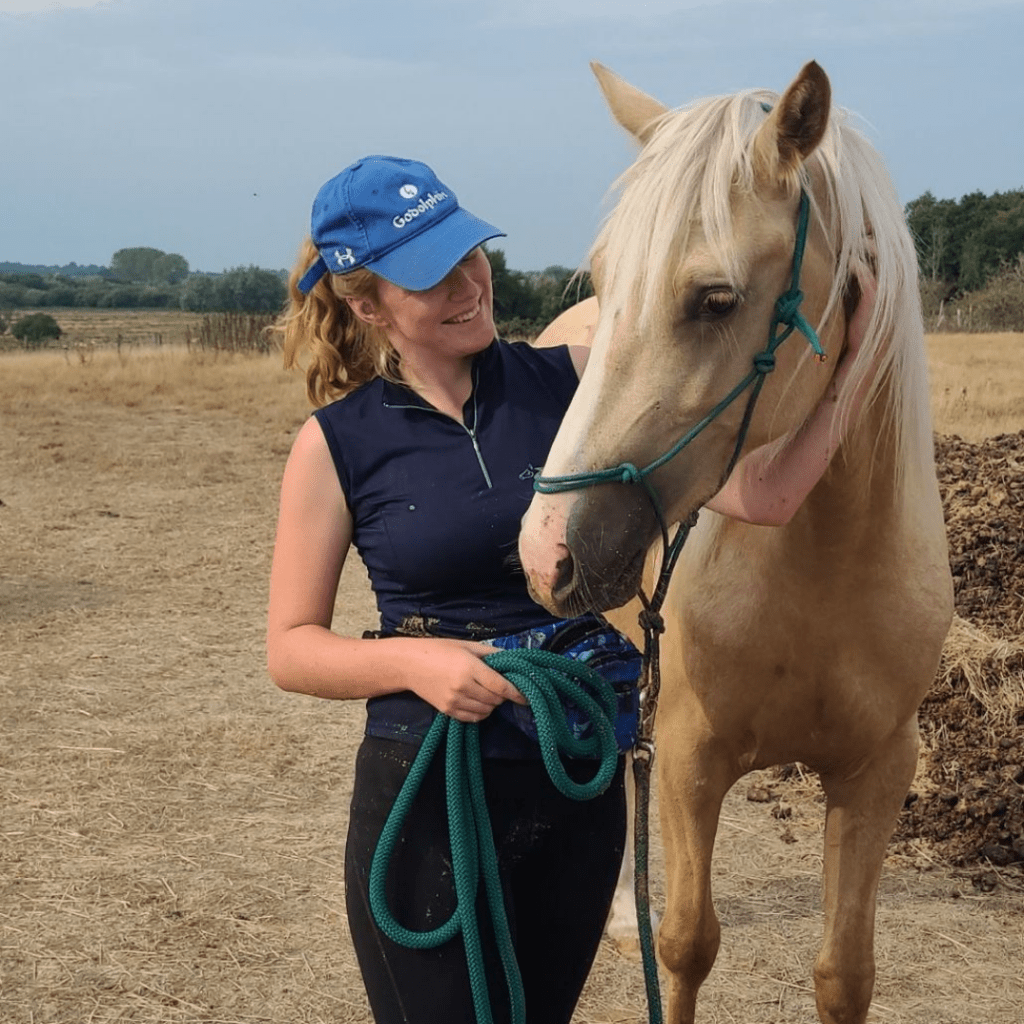
Having a young, inexperienced horse myself, I have included tips and tricks I found to be useful. In this blog, we’ll explore the causes of nervousness in horses and provide practical tips and techniques to help you ride a nervous horse more confidently and safely.
Understanding Nervousness in Horses
Before we dive into tips for riding a nervous horse, it’s important to understand the reasons behind a horse’s nervous behaviour. Horses are prey animals, and their nervousness often stems from their natural instincts to be alert to potential threats. Common causes of nervousness in horses include:
- Past Trauma: Mistreatment, accidents, or negative experiences in the past can lead to nervous behaviour.
- Inexperience: Young or inexperienced horses may exhibit nervousness due to their lack of exposure to various situations.
- Health Issues: Physical discomfort, pain, or underlying health problems can cause a horse to be on edge.
- Environmental Factors: Changes in the environment, weather, or sudden, unexpected noises can trigger nervousness in horses.
Tips for Riding a Nervous Horse
Build Trust: Establishing trust with your horse is the foundation of a successful partnership. Spend time on the ground, grooming, and bonding to create a strong connection.
Health Check: Most behaviour issues we see in horses are due to underlying health issues. Before you start working on addressing the issue, please ensure you have ruled out any pain-related issues. When I first got Daisy and her behaviour issues were at their prime, I had the following checked before I began re-backing her:
- Vet check – general all check over and vaccines up to date (she hadn’t had any since 2013, I got her in 2021!).
- Farrier – It was estimated her feet were not trimmed in about a year. Alongside getting this done, the farrier checked for any issues relating to hoof health.
- Physico/Osteopath – General all round check over. Found slight stiffness in her left hock but ruled out any pain.
- Saddler – Saddle selection based on back confirmation, fitted correctly and regularly checked for any changes.
Understand Body Language: Learn to read your horse’s body language. Signs of nervousness may include pricked ears, wide eyes, raised head, or restlessness. Being attuned to these signals can help you anticipate and address their concerns.
Calm Approach: When working with a nervous horse, be calm, patient, and gentle. Keep your interactions positive and end every session on a good note.
Gradual Exposure: Gradually introduce your horse to new environments, objects, or experiences. Start with less stressful situations and work your way up to more challenging ones. Breaking down exposure into smaller steps has been incredibly beneficial to me, starting in our comfort zone e.i. Stable and slowly introducing minorly “scary” objects/triggers like plastic before moving to the school.
Consistency: Horses are very much routine animals. Maintain a consistent routine in your training and riding schedule. Predictability can help reduce their anxiety.
Positive Reinforcement: Reward your horse for desired behaviours. Positive reinforcement, such as treats or verbal praise, can motivate your horse to remain focused and, in turn, help build up their confidence.
Seek Professional Help: If you’re struggling to manage your horse’s nervousness, consider working with a professional trainer who specialises in behavioural issues. They can offer guidance and training techniques tailored to your horse’s needs, plus give you the tools to deal with situations as they arise.
Be Patient: Patience is key when riding a nervous horse. Give your horse time to adjust and build confidence at their own pace. A tip that helped me is again breaking down my goals into bitesize pieces. If my overall goal is to canter a 20-meter circle but my horse can’t pick up the correct lead, I would focus my first session on flexion in walk and build up day by day. Set yourself up for success so you don’t lose your patience and end on a good note.
Conclusion
Riding a nervous horse can be challenging, but with patience, understanding, and proper training, you can help your horse overcome their anxiety. Remember that every horse is unique, and what works for one may not work for another. Pay close attention to your horse’s signals and adjust your approach accordingly. Building trust is essential for successful riding, and with time and dedication, you can enjoy a more confident and harmonious partnership with your horse.
 Pushing On Daisy