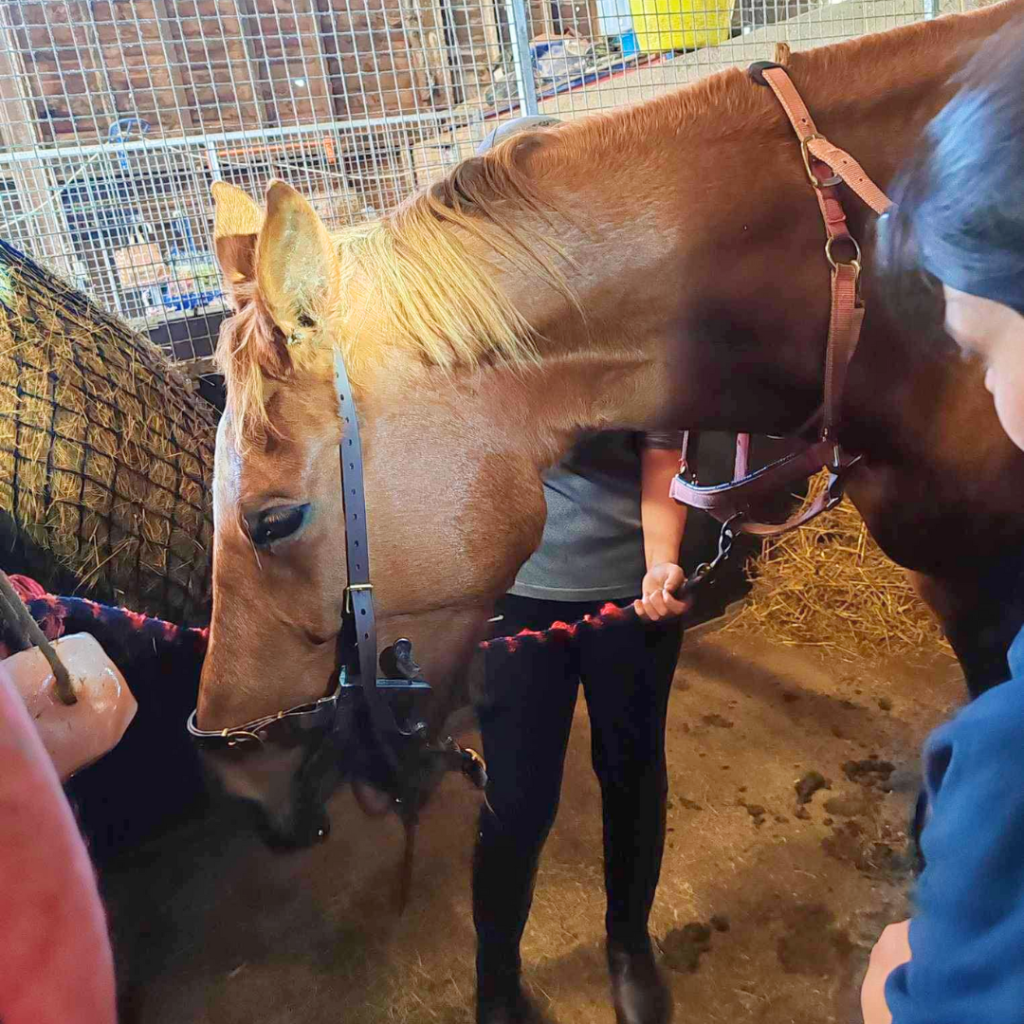
During a routine tooth rasping last week, my vet noticed some concerning signs that could point towards Bam Bam having Equine Odontoclastic Tooth Resorption and Hypercementosis (EOTRH).
I had never heard of this condition before! This update from the vet led me to do a few nights of research to gain a better understanding of the condition. Although I am no expert, I now have a basic understanding that I am happy to share with you all!
What is EOTRH?
EOTRH is a painful and progressive dental condition primarily affecting older horses, involving multiple teeth, including canines and incisors. EOTRH is often not readily identified by veterinary pathologists and may occasionally be misdiagnosed as cementoblastoma.
Although there can be external signs present, such as small red dots above the gum line (as seen in Bam Bam) the only way to fully assess the disease is via radiography. The image below from Midwest Veterinary Dental Services shows the external appearance of moderate and severe EOTRH alongside x-ray images.

Clinical Signs
As mentioned above, radiography is the only way to fully confirm the diagnosis and confirm the severity of the condition. Clinical signs that can indicate EOTRH include:
- Reddening of gums
- Small red dots above the incisors
- Oral ulcers
- Drainage tracts
- Receding gumlines
- Deep pockets in the gumline
- Enlarge and inflamed tissue around the teeth
- Large, discoloured incisors
- Fractured or loose teeth
- Teeth with lesions (Bam Bam also has this symptom)
- Pus from gums or teeth
- Foul odour
- Teeth sensitivity
(SmartPak)
Treatment
During the early stages of the disease, the condition can simply be monitored with regular oral examinations and radiographs. However, to deal with moderate to severe cases, tooth extraction will be required. Pain medication and antibiotics are usually supplied after this procedure.
Generally, horses will be fed a soft mash or chopped hay, before going back to their normal diet within 24 hours. Long term, generally no change is needed to the diet, horses can graze and eat hay/hard feed using their lips and tongue.
Next Steps for Bam Bam
Thankfully, after her initial assessment, Bam Bam doesn’t appear to be in any pain or have any loose teeth. After discussion with the vet, we will be undertaking x-rays to confirm the diagnoses and understand the scope of the issue if confirmed.
Once we have an official diagnosis, I will likely be writing about Bams recovery and the ongoing management. In the meantime, please keep an eye on my Instagram for regular updates.
 Pushing On Daisy