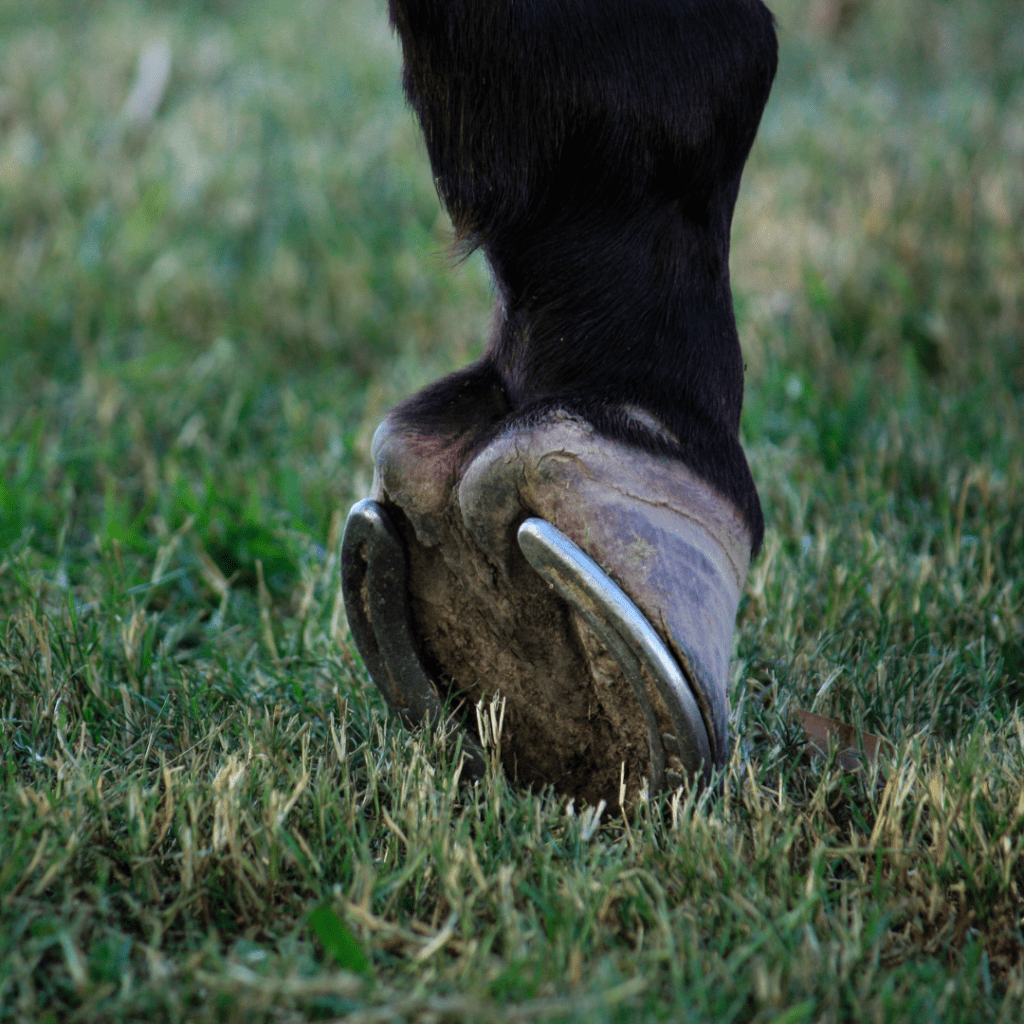
Laminitis is, unfortunately, a common problem in horses and ponies, and is extremely painful. It involves the inflammation of the laminae, which are the sensitive structures that connect the hoof wall to the pedal bone within the hoof.
This condition may lead to the pedal bone sinking or rotating inside the hoof as the horse bears its weight. In severe instances, it can lead to the penetration of the sole by the pedal bone.
What causes laminitis?
As research has progressed, we now understand that most cases of laminitis are a sign of a problem elsewhere such as a metabolic condition. It is widely believed there is three main cause of the condition: Inflammation, endocrine diseases and mechanical overload.
Inflammatory laminitis
In laminitis linked to inflammation, the precise cause of laminitis is elusive, yet there is inflammation throughout the body. Consequently, lamellar inflammation ensues, leading to the breakdown in adhesion between the laminae and the onset of laminitis. This can be caused by certain types of colic, high carbohydrate consumption, diarrhoea, pneumonia and more.
Endocrine diseases
Endocrine diseases include conditions such as pituitary pars intermedia dysfunction (PPID) and equine metabolic syndrome (EMS). In these disorders, horses are unable to control their carbohydrate metabolism, leading to increased insulin levels. The inability to control dietary carbohydrates in both PPID and EMS involves an exaggerated insulin response to starches or sugars.
Mechanical overload
Horses may develop laminitis due to an overload, often linked to conditions where one limb bears less weight, leading to an excessive burden on the opposite limb.
In laminitis caused by mechanical overload, it is believed that there is insufficient blood supply to the lamellar tissue due to prolonged and excessive weight-bearing.
What are the clinical signs of laminitis?
Laminitis in horses presents several distinctive signs, with lameness being the most prominent and easily observable indication. This lameness can manifest through noticeable behaviours such as the horse shifting its weight between hooves or leaning on their heels to alleviate pressure on the painful front of the hoof.
Additionally, an increase in heat within the affected hooves is often apparent, attributed to inflammation. Another noteworthy symptom is an elevated digital pulse at the back of the fetlock, which may become stronger than usual. Horses suffering from laminitis may exhibit reluctance to move, showing signs of discomfort or hesitancy when walking, thereby providing valuable cues for early detection and intervention.
Diagnosis
Typically, a diagnosis of laminitis relies on observing the exhibited clinical signs. If there is a worry about the pedal bone sinking or rotating, or if the animal shows no improvement despite proper therapy, X-rays might be conducted. In instances where an underlying endocrine disease is suspected, blood tests may be carried out.
Treatment
Laminitis is a critical condition in horses requiring immediate veterinary attention. Treatment involves administering pain control medications, such as phenylbutazone (bute). Acepromazine, traditionally used to enhance blood flow to the feet, likely aids through its sedative properties, encouraging the horse to rest. For cases involving inflammation, a three-day application of ice to cool the feet may be beneficial. Swift veterinary intervention is crucial for effective management.
 Pushing On Daisy