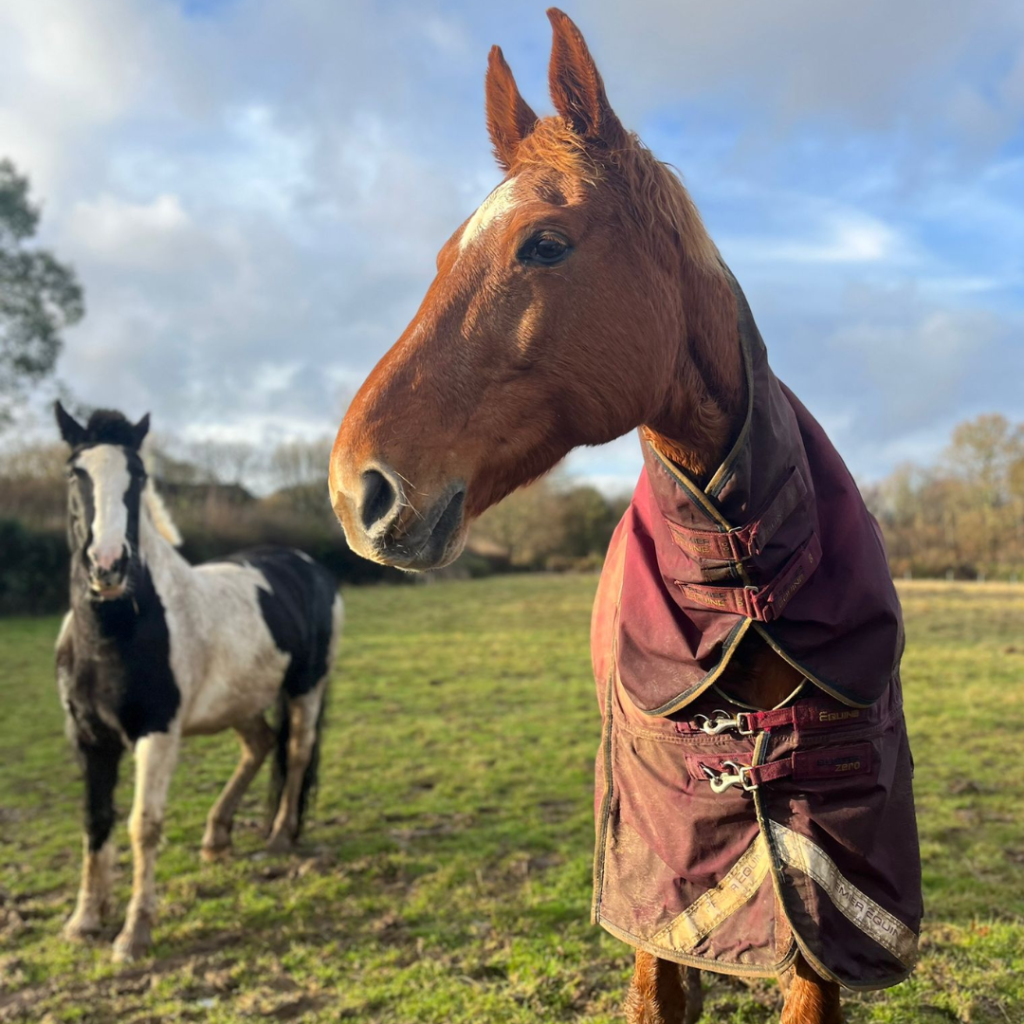
If there is one thing I’m a total nerd for, it’s animal nutrition. During my University degree, I was extremely lucky to be able to study modules on basic and advanced equine nutrition. I also received feline and canine nutrition training at a past job role which I loved!
As much as I love nutrition, I’m the first to agree it can all be mind-boggling. Everyone has different opinions, new research is continually being published and some of the marketing can be a bit misleading.
In this blog, im here to break down the basics of equine nutrition and try to point you in the right direction to some really useful resources. Please note that im not a Registered Nutritionist (RNutr), however, it’s one of my favourite topics and I have some brilliant sources I can point you towards. If you need tailored nutrition advice, feed companies often have a free advisor who will happily help.
I also highly recommend getting a copy of The Horse Nutrition Bible by Ruth Bishop. This is an excellent read for expanding your nutrition knowledge and it is presented in an easy-to-understand way.
*Please note that this blog features affiliate links. See my affiliate disclaimer here.
Basic Nutritional Requirements
Water
Water is an indispensable component for the survival and proper functioning of all known living organisms. In the case of horses, a significant proportion of their bodily water is distributed strategically across various physiological compartments, playing crucial roles in sustaining life and supporting vital biological processes.
Carbohydrates
Carbohydrates encompass starches, sugars, and dietary fibres that can be digested in various forms to yield energy. In a typical equine diet, approximately 80% of the nutritional composition consists of carbohydrates.
There are two main types of carbohydrates, structural carbohydrates and non-structural carbohydrates.
Structural carbohydrates are complex carbohydrates that provide support and rigidity to plant cell walls. The primary structural carbohydrates are cellulose, hemicellulose, and pectin. These carbohydrates contribute to the structural integrity of plant tissues, giving strength to cell walls and providing the overall framework for plant architecture. They are particularly abundant in the cell walls of plant cells.
Structural carbohydrates, particularly fibre-rich components like cellulose and hemicellulose, are less digestible in the horse’s small intestine. However, they become a valuable source of energy when fermented by microbes in the hindgut.
Adequate intake of structural carbohydrates helps prevent digestive issues such as colic and hindgut acidosis by promoting normal gut motility and microbial fermentation.
Non-structural carbohydrates are simpler carbohydrates that are not involved in the structural framework of the plant. Non-structural carbohydrates include sugars (simple carbohydrates) such as glucose, fructose, and sucrose, as well as starch. These carbohydrates serve as energy reserves for the plant. They can be utilised for immediate energy needs through processes like glycolysis or stored in the form of starch for future use. Non-structural carbohydrates also play a role in various physiological processes, including growth, reproduction, and response to environmental stimuli.
These non-structural carbohydrates serve as a readily available energy source for horses. Sugars like glucose and fructose can be quickly absorbed and utilised, while starches are broken down into glucose during digestion.
Monitoring the intake of non-structural carbohydrates is crucial for horses prone to metabolic conditions, as high levels can affect insulin sensitivity and contribute to issues like equine metabolic syndrome.
Oils & Fats
Oils and fats are concentrated sources of energy, typically containing two to three times the energy of the same weight of cereal. Dietary fats and oils are comprised of molecules called fatty acids which can be split into two categories, essential and non-essential fatty acids.
Essential fatty acids are types of fats that a horse’s body needs for proper functioning but cannot produce on its own. These fatty acids, such as omega-3 and omega-6, must be obtained from the horse’s diet.
They play vital roles in maintaining healthy skin, promoting a shiny coat, supporting the immune system, and contributing to overall well-being. Common sources of essential fatty acids in a horse’s diet include certain plant oils, such as flaxseed oil and soybean oil, as well as some types of forage.
Non-essential fatty acids are also important for a horse’s health, but unlike essential fatty acids, the horse’s body can produce them on its own. While non-essential fatty acids can be synthesised by the horse, their presence in the diet can still be beneficial. Sources of non-essential fatty acids in a horse’s diet may include grains, forages, and other plant-based oils.
Protein
Protein is a fundamental nutrient composed of amino acids, which are the building blocks essential for the structure and function of cells, tissues, and organs in a horse’s body. Amino acids play crucial roles in processes such as growth, maintenance, and repair of tissues, as well as the synthesis of enzymes, hormones, and other essential molecules.
Protein is a vital component of a horse’s diet because it provides the essential amino acids that the horse’s body cannot produce on its own. These amino acids are categorised as either essential or non-essential. Essential amino acids must be obtained through the horse’s diet, while non-essential amino acids can be synthesised by the horse’s body.
Minerals
Minerals are inorganic elements necessary for the proper development, maintenance, and regulation of bodily processes. Horses require a range of minerals for optimal health and well-being.
There are two types of minerals, major minerals are needed in generally larger quantities i.e. grams. These can consist of calcium, phosphorus, magnesium, potassium and sodium.
Types of Feed
Forage
Forages make up the greatest part of the equine diet and are often the most overlooked! Forages can include grass, hay, haylage, chaffs and hay replacers. A widely accepted principle in equine nutrition emphasises that horses should eat a minimum of 1.5% of their body weight in forage dry matter per day.
While many owners tend to prioritise hard feed and supplements when making feed decisions for their horses, it’s essential to remember that forage should be the main part of their diet. The nutritional value of forage plays a more significant role in the well-being of the horse compared to any other component of its diet. Due to this, I would highly recommend getting an analysis of your forage to ensure the quality. These tests are generally inexpensive and will analyse the following:
- Dry matter
- Crude protein
- Minerals
- Mould count
Straights
Straights refers to single-ingredient horse feeds, commonly cereals like oats, barley, bran, and maize. These feeds serve as a source of energy for horses, however, should not be relied on to feed alone, as balancing supplements will be required.
Feeding a balanced diet to horses with straights poses challenges due to their inherent deficiencies in essential minerals like calcium, vitamins, and the crucial amino acid lysine. Lysine, vital for proper protein processing, cannot be synthesized by horses and must be supplied through their diet. Insufficient lysine intake can lead to poor hoof growth, coat condition, and a decline in overall health.
Cereal-based feeds, such as oats, can disrupt the calcium: phosphorus ratio, potentially causing bone issues in young horses. To address these issues, a straight diet requires supplementation with vitamins and minerals to ensure comprehensive nutritional support.
While compound feeds, though seemingly more expensive, provide a convenient and economically efficient solution, straights may initially appear cheaper. However, when factoring in the cost of necessary supplements like cereal balancers or vitamin and mineral additives, the overall expense becomes comparable.
Additionally, the time and effort involved in mixing and preparing straights can be significant, making compound feeds a more practical and reliable choice for ensuring horses receive a well-rounded and easily manageable nutrient profile for optimal health (Horse & Hound).
Compound Feeds
As referenced above, a compound feed is a balanced blend of ingredients formulated to produce a complete feed, meeting your horses daily requirements when fed at the suggested rate. Compound feeds include:
- Nuts (cubes or pellets)
- Mixes
- Balancers
Compound feeds consist of energy sources such as barley, oats, wheat and molasses, fibres including dried grass, wheatfeed, oatfeed, soya hulls, straw and sugarbeet pulp, proteins which can include soya-bean meal and sunflower meal, and minerals/vitamins which often include limestone, salt and trace vitamin and mineral mixes.
Supplements
A supplement typically refers to a product or substance that is taken in addition to your horses diet to provide additional nutrients or other beneficial substances. Supplements come in multiple forms, including pills, capsules, powders, liquids, and more. They are designed to complement or “supplement” the nutrients that your horse may not be getting in sufficient amounts from their diet alone.
It is important to know, that although supplements can be beneficial, if the diet isn’t balanced and complete no amount of additives is going to magically fix the situation.
Oil can also be considered a supplement! This is generally added to the feed as an energy supplement or to improve coat condition. Do note that feeding larger amounts, generally over 1kg, will lead to weight gain and may affect the digestion of fibre.
I hope this brief wizz through equine nutrition has been beneficial! Please keep an eye out for my other nutrition-based blogs coming shortly. If you have any questions or would like to request a certain topic, please do reach out on my socials or email me at hannahehopkins@live.co.uk.
 Pushing On Daisy