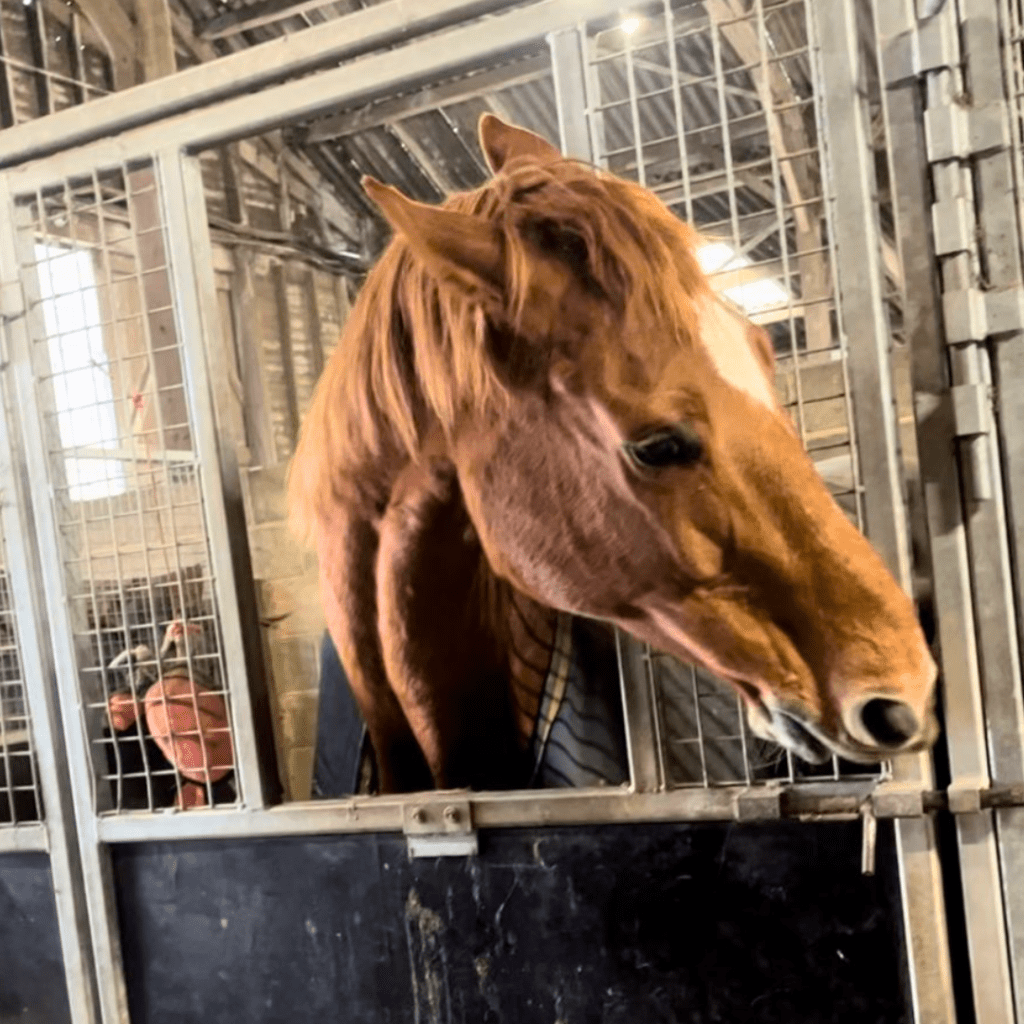
As horse owners, it’s our responsibility to ensure the well-being and comfort of our horses. One crucial aspect of this care is being able to recognise signs of pain, unlike humans, horses can’t verbally express when they’re hurting, so it’s essential to be vigilant and observant of their behaviour and body language.
Here are some key signs that your horse may be experiencing discomfort or pain:
Changes in Behaviour: Keep an eye out for any alterations in your horse’s behaviour. This could include increased aggression, irritability, or lethargy. A normally calm and friendly horse suddenly becoming aggressive or withdrawn may indicate something is amiss.
Lameness or Gait Abnormalities: If your horse is favouring a particular limb or showing an irregular gait, it could be a sign of pain in that area. Limping, stiffness, or reluctance to move are all indicators that your horse may be experiencing discomfort, possibly due to an injury or underlying condition.
Facial Expressions: Horses can express pain through their facial expressions. Look for signs such as tense muscles, flared nostrils, pinned-back ears, or a strained expression. Grimacing or teeth grinding can also be indicators of pain.
Want to learn more about the pained equine facial expressions? I recommend reading Gleerup et al., (2015) research paper: An Equine Pain Face.
Changes in Eating Habits: A horse in pain may exhibit changes in appetite or eating habits. They may eat more slowly, pick at their food, or even refuse to eat altogether. Weight loss or changes in body condition can also be associated with underlying pain issues.
Resistance to Touch: Pay attention to how your horse reacts to touching or grooming. Signs of pain may include flinching, twitching, or pulling away when pressure is applied to a particular area. Be gentle and observant when handling your horse, especially if you suspect they may be in pain.
Altered Performance: If your horse’s performance declines suddenly or they begin to struggle with tasks they once found easy, it could be a sign of pain. Whether it’s under saddle or during turnout, changes in performance should not be ignored and warrant further investigation.
Changes in Posture: Watch for any changes in your horse’s posture, such as standing in an unusual position, holding their head or neck in a different way, or shifting their weight frequently. These subtle cues can provide valuable insight into your horse’s physical well-being.
Remember, every horse is unique, and the signs of pain can vary from individual to individual. Regularly monitoring your horse’s behaviour and being attuned to any changes can help you detect and address issues quickly. If you suspect your horse is in pain, don’t hesitate to consult with your vet for a thorough evaluation and appropriate treatment.
 Pushing On Daisy