
Fitting a bit correctly is essential for your horse’s comfort and safety. A bit is not just a piece of metal that sits in a horse’s mouth, it is a tool for communication between horse and rider.
Poorly fitting tack is often underestimated as a significant contributor to equine discomfort and poor performance. When a bit doesn’t fit correctly or is used incorrectly, it can lead to discomfort and various issues such as resistance, reduced performance, and potential injuries.
In this blog, we’ll explore bit fitting, understanding how the right fit can enhance comfort, communication, and overall performance. If you are ever concerned about your horse’s bit fit or would like some advice, always speak to a professional. For those in the UK, the Association of Professional Bit & Bridle Fitters has a directory of trained fitters from around the country.
*Please note that this blog features affiliate links. See my affiliate disclaimer here.
Understanding the basics
The primary function of the bit is to provide communication, facilitating subtle cues from the rider to the horse. For a more basic overview of bits, including types of bits and their functions, I recommend reading my blog Bits: A Basic Overview.
Fitting process
Proper fitting is vital to ensure the horse’s comfort and effectiveness of communication. When fitting a bit, be sure to consider the below:
- Assessing Mouth Conformation: Start by examining the horse’s mouth conformation. Look for any abnormalities, such as low or high palates, narrow or wide mouths, or sensitive bars.
- Selecting the Right Size: Choose a bit size that fits comfortably in the horse’s mouth without pinching or causing discomfort. The bit should rest snugly against the corners of the mouth without causing any wrinkles.
- Checking Adjustment: Ensure that the bit is properly adjusted to fit the horse’s mouth. The bit should sit at the correct height and angle to maintain a clear and direct line of communication with the rider’s hands.
- Testing for Comfort: Once the bit is in place, observe the horse’s reaction. Look for signs of discomfort, such as head tossing, teeth grinding, or resistance to the bit’s pressure. Adjust as necessary to achieve a comfortable fit.
- Trial and Error: Finding the perfect bit may require some trial and error. Be patient and willing to experiment with different types and styles until you find the right fit for your horse.
Choosing the joint of the bit
There https://www.naylors.com/blog/which-bit-for-my-horse
No joint
A straight bit, also known as a mullen mouth bit, is a type of horse bit characterised by a solid, straight bar that does not have any joints or breaks. This type of bit is considered to be very mild and it is normally used with youngsters or horses working in hand.
Pressure is distributed evenly across the horse’s tongue and bars of the mouth (the empty space between a horse’s incisors and molars). Due to having no joints, there should be no pinching which can be beneficial for certain horses, especially those with sensitive mouths.
When I first started biting my youngster, I used the Shires Flexible Rubber Mouth Snaffle. The mouthpiece is soft and kind on the horse’s mouth and is a great price point.

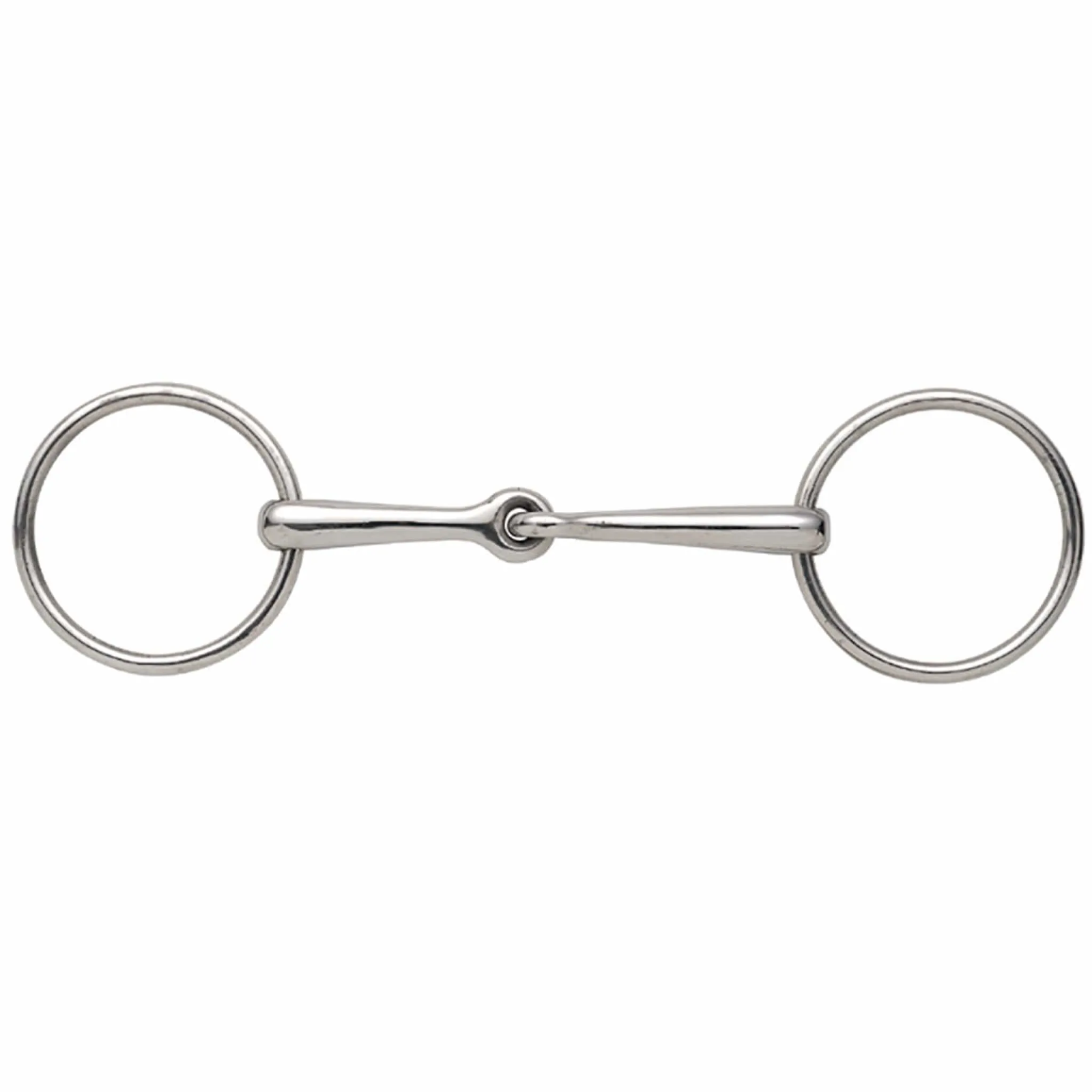
Single jointed
Single jointed mouthpieces are extremely common within the equestrian community, it consists of a mouthpiece with a central joint and two sidebars. The primary pressure point is the bars of the horse’s mouth, once pressure is applied this bit can create a nutcracker action which causes the mouthpiece to put pressure on the tongue and the bars simultaneously. This can be uncomfortable if excessive force is used.
Shires Jointed Mouth Snaffle with loose rings is a good example of a single jointed bit.
Double jointed
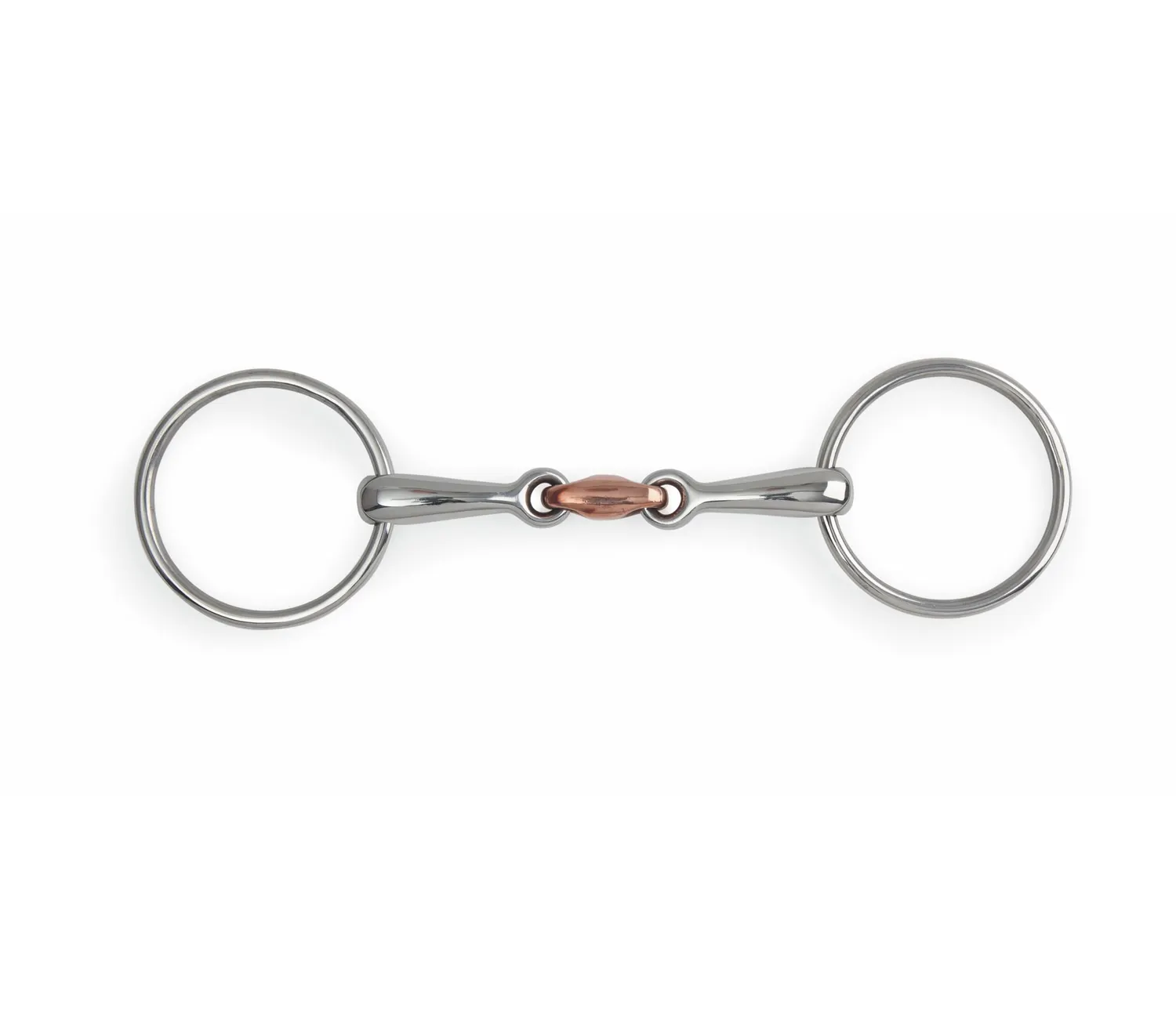
The primary feature of a double jointed bit is its mouthpiece, which consists of three segments: two outer bars and a central link. This central link can come in various shapes, such as a lozenge (oval), French link (flat), or a more rounded bead.
Unlike a single jointed bit, which has a single hinge point and can create a nutcracker effect that pinches the horse’s tongue and bars of the mouth, a double jointed bit distributes pressure more evenly. The central link reduces the sharpness of the pressure, making it more comfortable for the horse.
These are some of my personal favourite mouthpieces, offering an effective yet gentle way to communicate. I have previously used the Shires Loose Ring Copper Lozenge Snaffle with my girls and found it to be one of Daisys’ favourites.
Rollers
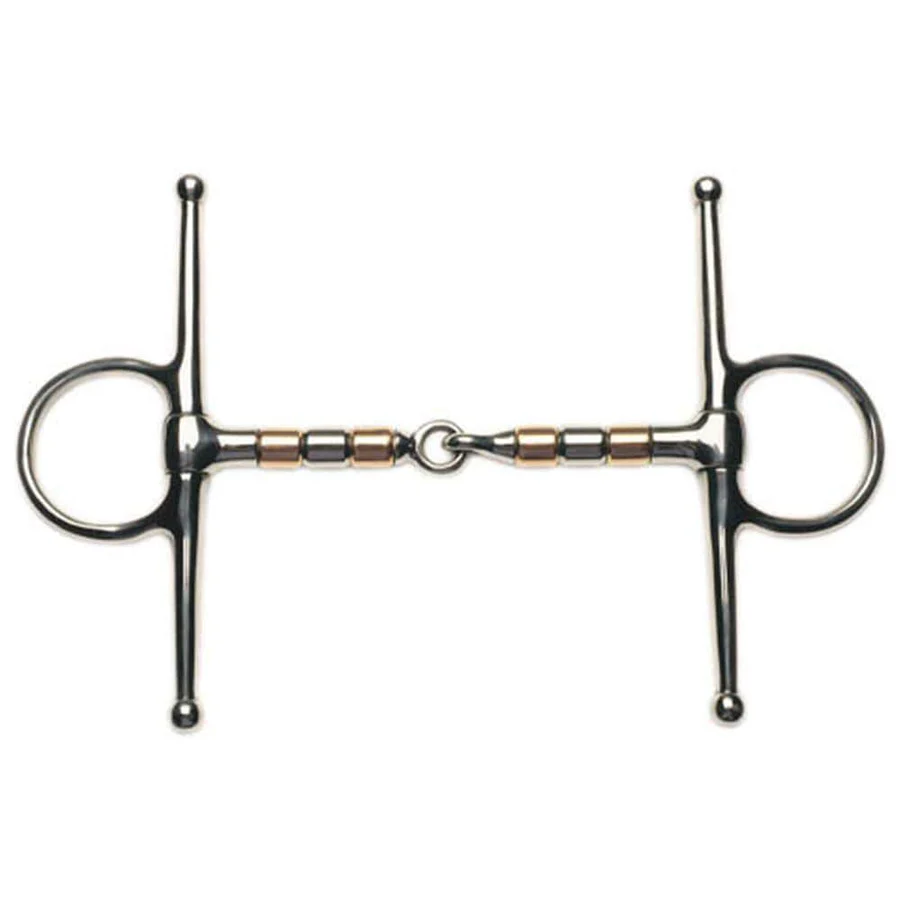
Roller mouthpieces do what they say on the tin, they have pieces that rotate so that the horse can move with their tongue. It encourages salivation, reduces anxiety and restlessness, promotes acceptance of the bit and helps improve focus and attention.
The Korsteel Stainless Steel Copper and Steel Rollers Full Cheek Snaffle Bit is a good example of a roller bit
Waterford
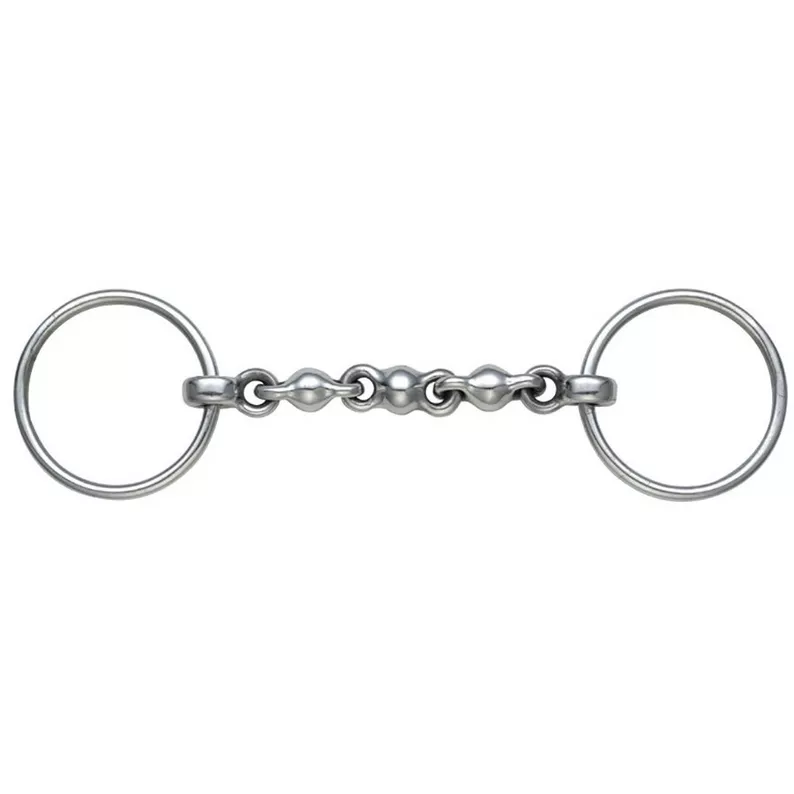
The Waterford bit consists of a multitude of ball-shaped links. This gives it a flexible, articulated structure, allowing it to conform closely to the shape of the horse’s mouth. The mouthpiece encourages horses to play with the links and typically reduces pulling or leaning on the reins.
The numerous joints and links can create multiple pressure points within the horse’s mouth, due to this it is not recommended for beginner riders. Shires Loose Ring Waterford Bit is a good option for those looking for this style of mouthpiece.
Choosing the right ring
Loose ring
Loose ring bits are common in the UK. The loose rings allow the bit to move more freely in the horse’s mouth, encouraging relaxation of the jaw. The movement of the rings also reduces the likelihood of pinching the corners of the horse’s mouth, especially if bit guards are used.
The free movement of the rings, however, can also be a drawback. Without bit guards, there is a risk that the rings could pinch the corners of the mouth, especially if the bit is not correctly fitted. Some horses might also not respond well to the increased movement and may prefer a more stable bit. The Shires Copper Lozenge Sweet Iron Snaffle is an example of a loose ring bit.

Eggbutt
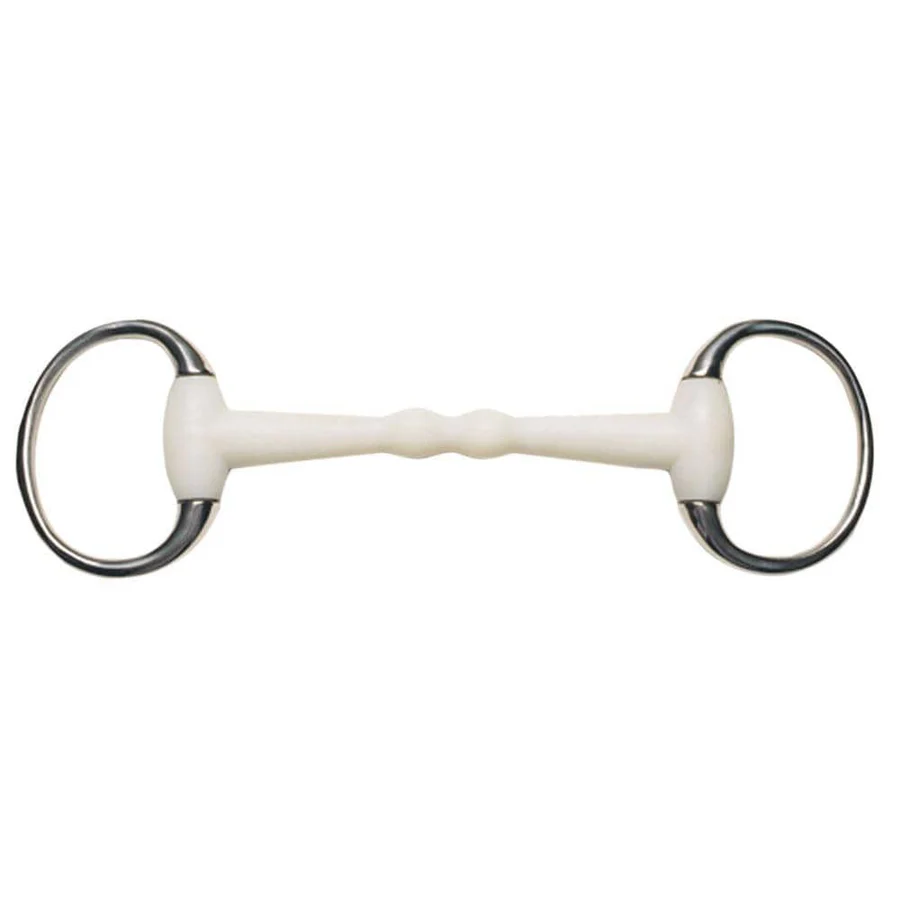
An eggbut snaffle features an oval-shaped ring attached to the mouthpiece. The fixed ring helps prevent the bit from pinching the corners of the mouth, as well as helping distribute pressure evenly across the horse’s tongue and bars. As an added plus, the fixed rings reduce wear and tear on the bit and bridle compared to bits with moving parts (e.g. loose ring snaffle).
The mouthpiece is more reliant on movements from the rein contact rather than following the movement of the horse’s mouth. Some horses may prefer this stability, however, some find it constricting. The Korsteel Flexi Mullen Mouth Eggbutt Snaffle Bit is a good example of an eggbutt bit.
Full cheek
A full cheek bit is a type of horse bit characterised by long, vertical bars on either side of the mouthpiece, which extend above and below the bit rings. These bars help prevent the bit from sliding through the horse’s mouth and provide additional lateral control. Often used in training young horses because the sidebars help guide the horse’s head and correct head carriage.
The pressure applied by the cheeks can prove uncomfortable to horses with a sensitive face, so for those with a sensitive soul it is worth introducing slowly. The Shires EquiKind Full Cheek Peanut Link Bit is an example of a full cheek bit.

Hanging cheek
The hanging cheek bit is designed to provide precise control and improved communication between the horse and rider. The bit has short arms extending about the mouthpiece which attach to the bridle’s cheekpieces. Due to the extended arms, this bit creates a slight leverage effect, providing a bit more poll pressure and encouraging the horse to lower its head and flex at the poll.
While it provides leverage, it is much milder compared to other leverage bits (such as a gag). Riders should be aware of how to use this leverage appropriately before using a hanging cheek. The Shires Sweet Iron Hanging Cheek Snaffle with Lozenge is an excellent example of this style of bit.

Gag
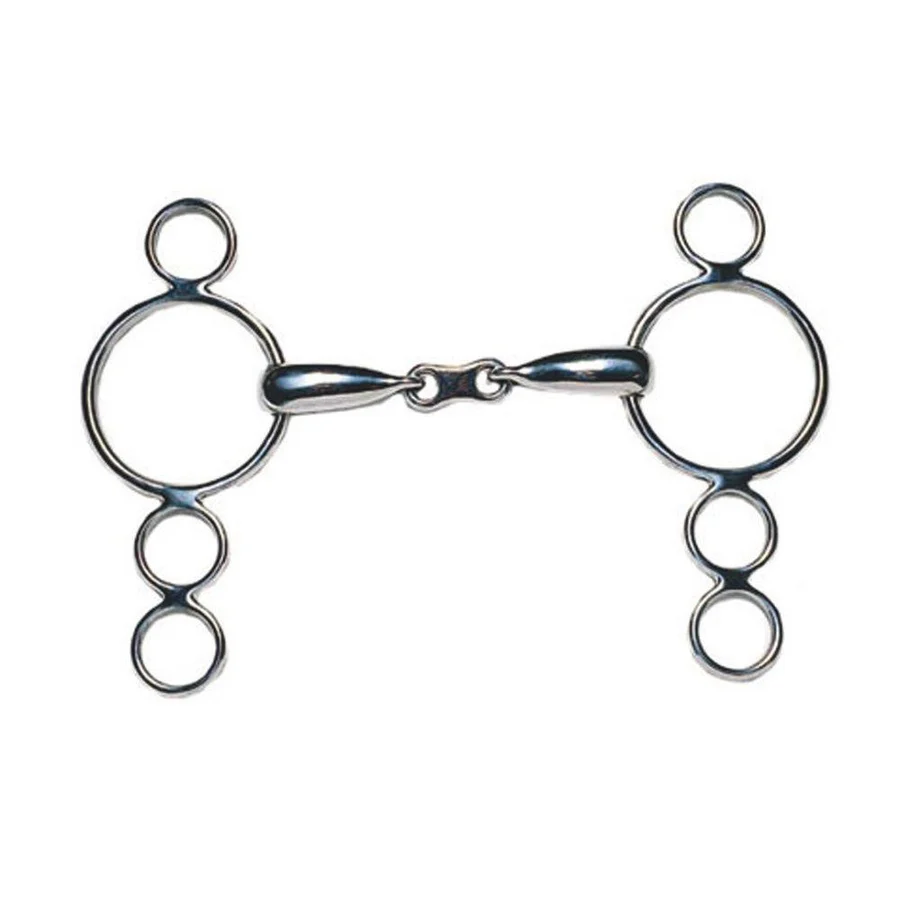
There are several different types of gag bit, the most popular being the Dutch gag. It is known for providing a significant amount of control to the rider, making it useful for strong horses that may need additional brake power. The Dutch gag features a series of rings on each side of the mouthpiece. The reins can be attached to different rings to adjust the level of leverage.
Due to its severity, a Dutch gag should only be used by experienced riders who have an understanding of how to apply pressure appropriately. An example of a Dutch gag includes the JP Korsteel French Link Dutch Gag 3 Ring.
Tom Thumb
The Tom Thumb bit is a widely debated piece of tack among riders due to differing opinions on its severity. Its jointed mouthpiece creates a nutcracker action in the horse’s mouth, which, when combined with the leverage from the shanks, applies pressure not only to the horse’s mouth but also to the poll and under the chin via the curb chain or strap.
This leverage can be useful for providing more control, but it also means that if the reins are pulled too hard, it can have a nutcracker action on the horse’s mouth.
Despite these concerns, the Tom Thumb bit can be effective for experienced riders who are skilled in using it gently and for horses that need a bit more guidance than what a snaffle provides. Its appropriate use depends on the rider’s ability to apply pressure with sensitivity and awareness of the horse’s comfort.
A good example of this bit is the Shires Sweet Iron Copper Tom Thumb.

Bevel
A bevel bit has distinctive rings resembling a figure of eight shape, offering mild leverage and providing more control than a simple snaffle but less harsh than a gag. The gentle leverage encouraged the horse to soften in the contact and lower head carriage.
A great example of this bit is the Shires Bevel Bit With Copper Lozenge.

Choosing the right material
As seen from the examples above, bits come in a range of materials, each offering different benefits.
Stainless steel
Stainless steel is one of the most common bit materials I see used by riders in the UK. It is very durable, being resistant to rust and corrosion and has a smooth surface which reduces the risk of sores. Due to its strength, it also retains its shape over time, providing reliable long-term performance.
Cooper/brass
Cooper/brass is a soft metal that encourages salivation and is said to have a pleasant taste, although it is often combined with other metals for added strength. This material also warms quickly to the horse’s mouth, which can more much more comfortable than steel in cold weather.
Sweet iron
This bit has a unique feature, being designed to oxidise over time and rust! The oxidisation process promotes salvation, encouraging a softer mouth. This material is also believed to warm up quicker than stainless steel, excellent for chilly weather.
Plastic/rubber
Last on my list, but certainly not least, is plastic/rubber bits! Available in various textures and hardness levels, these bits are typically soft and flexible perfect for sensitive mouths and young horses. This material can also come in different flavours to entice horses to accept the bit. This bit should be checked after every ride to ensure the plastic has not been chewed into sharp points.
In Summary…
Finding the right bit for your horse can make a world of difference in terms of comfort and communication. Remember, every horse is unique, and sometimes it takes a bit of trial and error to find the perfect fit. Don’t hesitate to seek professional advice if needed, and always keep your horse’s comfort as the top priority.
 Pushing On Daisy