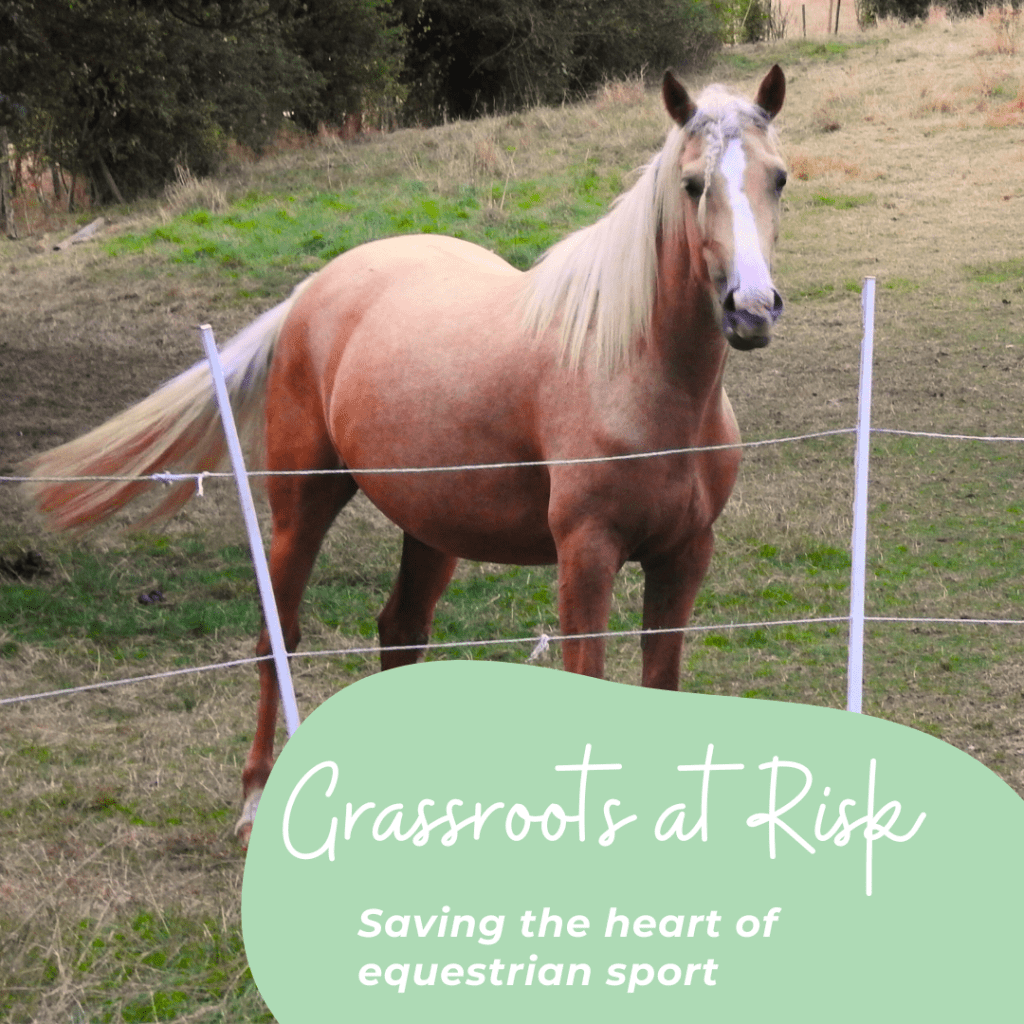
In recent years, the UK equestrian industry has faced increasing challenges at its foundation. While elite competition continues to thrive with British riders regularly appearing on international podiums, the grassroots level, where enthusiasm and expertise for horses normally begins, is seeing alarming losses. Future Olympic medals as well as the £5 billion equestrian sector, which has long been ingrained in British culture, are at risk due to this loss.
The Numbers: Participation in Decline
The British Equestrian Trade Association’s National Equestrian Survey has documented concerning trends:
- There are currently an estimated 1.82 million regular riders in the UK.
- The UK horse population is approximately 850,000.
Although long-term trends are difficult to track in full, participation has clearly faced ongoing pressure in recent years. The main reasons cited for stopping riding include cost, age, and lack of access.
The British Horse Society also reports that by 2023, riding school numbers had fallen significantly, with some regions losing a substantial proportion of their facilities.
Disappearing Infrastructure: The Facility Crisis
The closure of riding schools, livery yards, and accessible facilities represents one of the most visible symptoms of the grassroots crisis:
- Over 250 riding schools have closed, with around 1,497 remaining across the UK.
- This equates to an estimated 1.5 million fewer riding lessons delivered annually.
The British Horse Society and British Equestrian Federation note that many remaining facilities are struggling:
- The average riding centre is running at 75% capacity.
- 73% of centres report capacity issues, often due to staff shortages, horse availability, or financial strain.
Several Factors Have Contributed to This Decline:
- Rising Operational Costs: 77% of yard owners have increased livery fees, with 29% raising them by at least £20/month. Yard owners report surging fuel, maintenance, and staffing costs.
- Cost-of-Living Pressures: Many horse owners are reducing spending on services like competing, physio, shoeing, and saddle-fitting in an attempt to cope financially.
- Staff Shortages: The industry continues to face critical staffing gaps. Many yard owners are reducing staff hours and taking on more tasks themselves.
Economic Ripple Effects
The decline in grassroots participation is having widespread effects across the equestrian economy. Supply chains that rely on riding schools, such as feed suppliers, saddlers, physios, and farriers, are being affected. The British Equestrian Federation estimates that each riding school closure impacts approximately 20–30 related businesses in its supply chain.
The Access Gap
Perhaps most concerning is the growing divide in equestrian participation across socioeconomic boundaries:
- Participation is increasingly concentrated among higher-income households.
- Riders from less affluent and ethnically diverse communities remain significantly underrepresented.
- Many centres are now diversifying into off-the-horse activities, which account for about 20% of their delivery, in efforts to remain financially viable and attract new audiences.
This contrasts starkly with historical patterns, where local riding schools served diverse communities and provided affordable entry points to the sport.
Bright Spots and Solutions
Despite these challenges, innovative approaches are emerging to preserve grassroots access:
- Community Equestrian Initiatives: Some groups are developing shared ownership models where multiple families collectively maintain facilities and horses, reducing individual costs.
- Educational Integration: In some areas, riding is being included in school curricula as part of physical education.
- Urban Riding Projects: Urban centres in cities such as London, Manchester, and Birmingham continue to play a vital role in offering access in space-limited areas.
- Digital Transformation: Online booking and management systems are helping facilities streamline administration and reduce overheads.
The Path Forward
The sustainability of the UK’s equestrian industry requires concerted action:
- Policy Recognition: Equestrian facilities need recognition as essential rural businesses in planning policy, with protections comparable to other agricultural enterprises.
- Skills Pipeline: Investment in training and competitive wages to build and retain a skilled workforce.
- Innovative Funding Models: Community ownership structures, charitable status, and public-private partnerships can offer alternative solutions.
- Accessibility Initiatives: Subsidised programmes to increase participation among underrepresented groups are vital for long-term growth.
The grassroots level of any sport serves as both its foundation and its future. As riding becomes increasingly exclusive, the long-term health of the entire equestrian industry hangs in the balance. By addressing these challenges proactively, the UK can preserve its rich equestrian heritage and ensure it remains accessible for generations to come.
Note: This blog post uses data compiled from multiple sources, including the British Equestrian Trade Association (BETA), the British Horse Society (BHS), Sport England, and industry research reports. For specific citations and further reading, please contact the author.
 Pushing On Daisy